Decision Framework: Which to Choose The choice between BPC-157 and GHK-Cu depends entirely on the research question: Choose BPC-157 if: Research focuses on tissue repair, angiogenesis, or growth factor signaling Studying gastrointestinal, vascular, or musculoskeletal tissue contexts Recovery research is the primary application Research builds on the substantial BPC-157 preclinical research base Choose GHK-Cu if: Research focuses on gene expression modulation Studying skin biology, collagen synthesis, or dermatological research Anti-aging research is the primary application Research benefits from the largest published research base in the catalog Choose both (or combination formulations) if: Research includes both tissue repair and gene expression mechanisms Multi-mechanism combination research is the goal Skin biology research with tissue-repair components benefits from both pathways The GLOW Blend or KLOW Blend formulations match the research question Quality Considerations Both peptides share the same quality framework: Manufactured via Solid-Phase Peptide Synthesis with synthetic amino acids No animal-derived materials Independent third-party testing by Janoshik Analytical 99% HPLC purity per peptide Mass spectrometry identity confirmation Verifiable Janoshik unique keys For complete quality framework coverage, see How to Verify Peptide Quality and How to Read a Janoshik COA

The efficacy of any research compound, especially a delicate peptide, hinges on proper handling and administration protocols
BPC-157 + TB-500 is supplied under Supreme Peptides' batch-documentation protocol, with analytical documentation for the corresponding lot
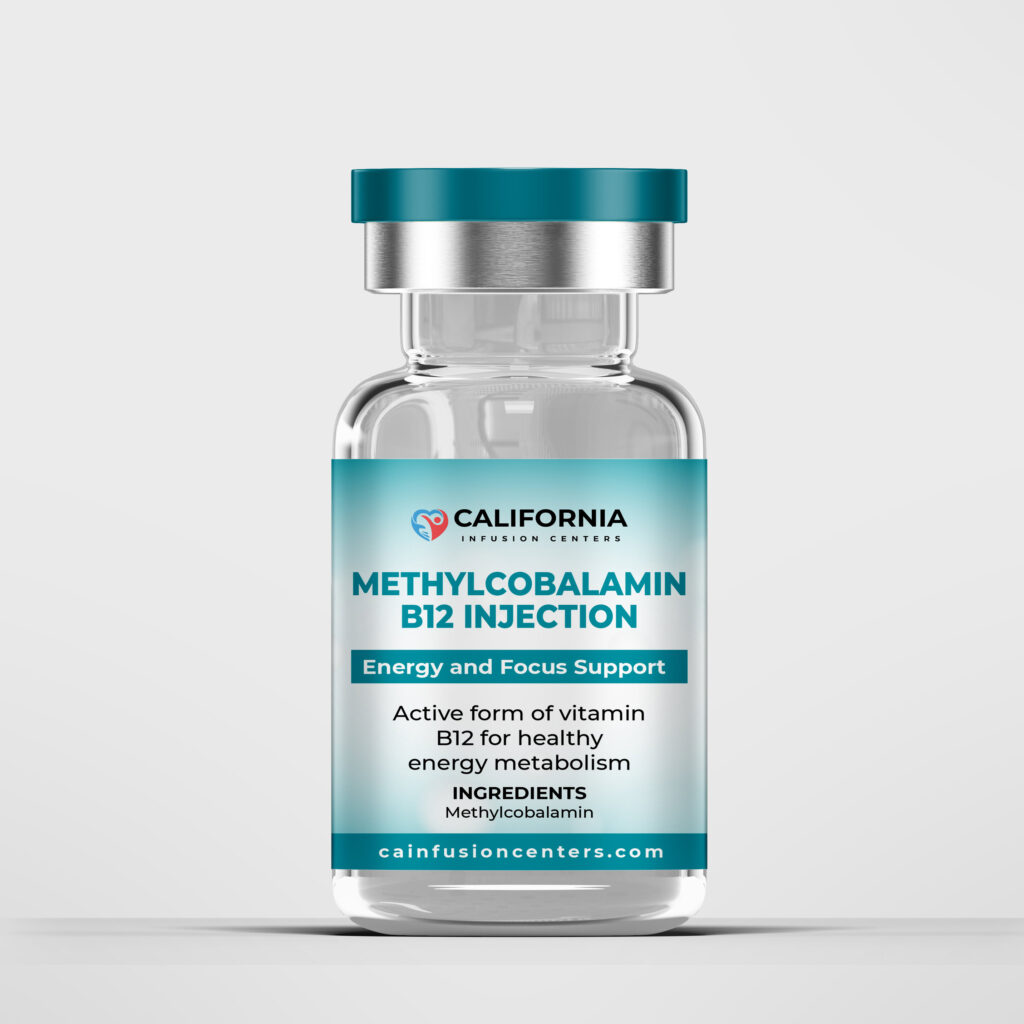
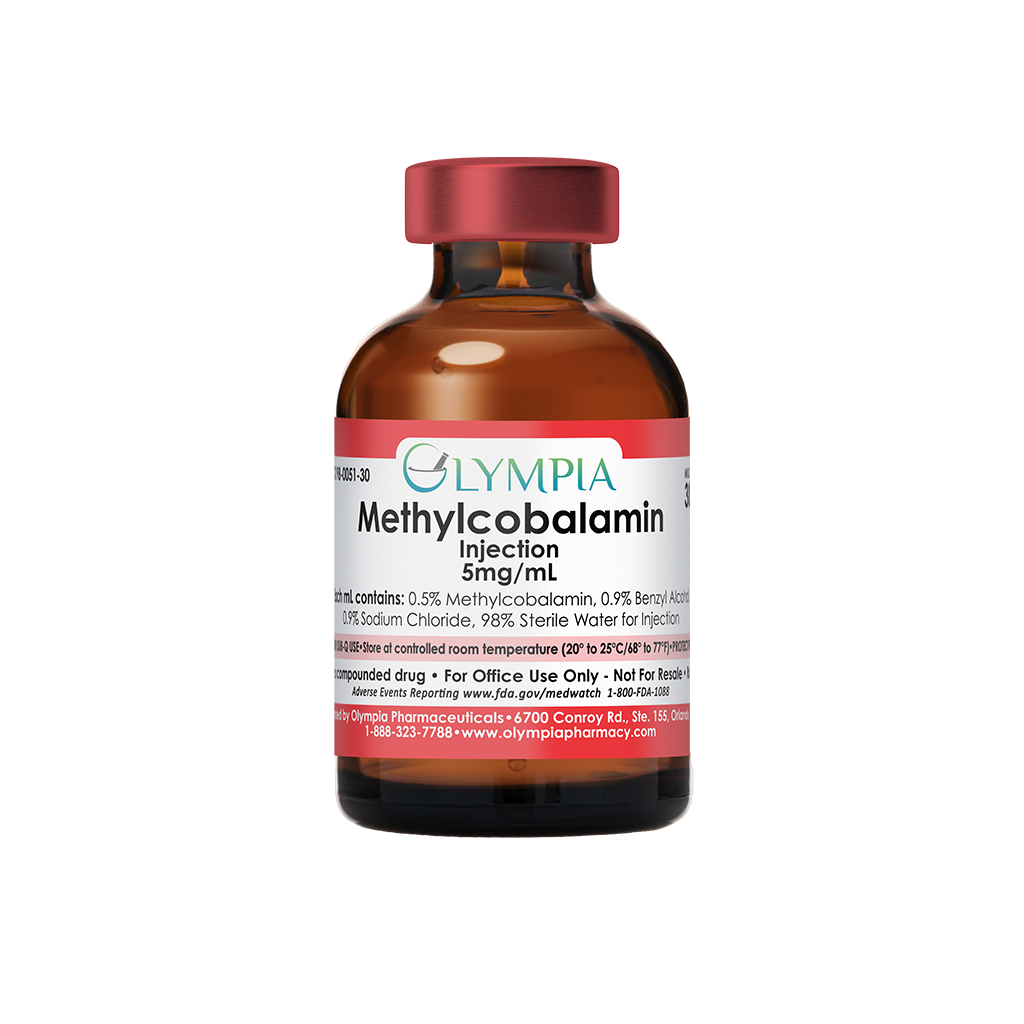
Benefits of B12 for Older Adults B12 has a number of benefits for overall health in older adults: Boosts energy and reduces fatigue Prevents memory loss and reduces the risk of dementia and Alzheimers Improves mood and reduces depression and anxiety Reduces the risk of heart and arterial disease Normalizes cholesterol levels Promotes healthy skin, hair and nails Fosters a healthy gut biome to improve digestion Supports DNA synthesis and mitochondrial function Helps prevent cancer, including cervical, prostate and colon cancers Supports red blood cell production and prevents anemia
The limited human data available has not shown significant safety concerns, but long-term human safety data is still being established



&srotate=0)